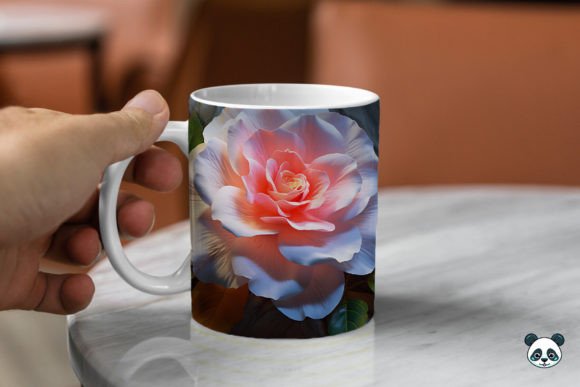
Integrating 3D Camellia Mug Wrap Sublimation 1 into Your Production Workflow
In the competitive landscape of custom merchandise, the difference between a standard product and a best-seller often lies in the quality of the design assets and the efficiency of the production process. For creators, small business owners, and hobbyists looking to expand their catalog with floral-themed drinkware, 3D Camellia Mug Wrap Sublimation 1 represents more than just a digital image; it is a foundational component of a streamlined manufacturing workflow. This asset, specifically designed for 20 oz skinny mugs, allows producers to bypass the time-consuming stages of illustration and pattern creation, focusing instead on execution, quality control, and market distribution.
Understanding how to integrate this specific digital download into your broader operational routine requires a shift from viewing it as a simple purchase to treating it as a critical resource in your supply chain. Whether you are running an Etsy shop, fulfilling bulk orders for corporate events, or creating personalized gifts, the implementation of high-resolution sublimation designs dictates your output speed and final product consistency.
Pre-Production Planning and Asset Verification
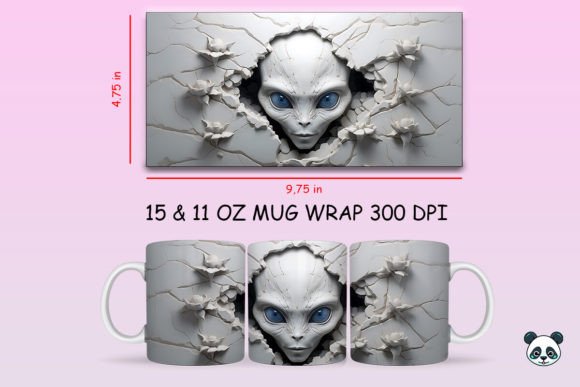
The workflow begins before the printer even warms up. When you acquire a file like 3D Camellia Mug Wrap Sublimation 1, the immediate step is asset verification. This design comes as a PNG file with dimensions of 9.75 inches by 4.75 inches at 300 DPI. In a professional setting, these specifications are not merely numbers; they are the parameters that ensure print clarity and color fidelity.
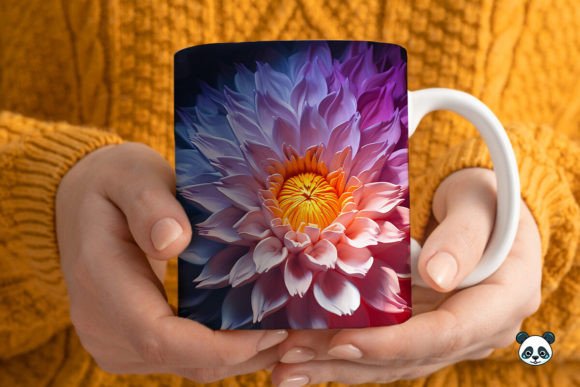
Upon downloading the ZIP file, your first task is organization. Store the file in a dedicated directory within your digital asset management system, categorized by mug size (20 oz Skinny) and theme (Camellia/Floral). This prevents version control errors later in the process. Before sending the file to print, open it in your preferred editing software—such as Adobe Photoshop, Illustrator, or Canva—to verify the resolution. A 300 DPI count is essential for sublimation; anything lower risks pixelation when transferred to the ceramic surface. The "3D" aspect of this design implies depth and texture in the watercolor camellia elements, which requires a high-fidelity transfer to maintain its visual impact.
During this phase, consider the compatibility of the design with your specific hardware. While this wrap is tailored for a 20 oz skinny mug, slight variations in manufacturer blanks can occur. It is prudent to perform a test print on standard sublimation paper to check color vibrancy. Sublimation ink behaves differently than standard inkjet ink, often appearing duller on paper before the heat press activates the dye. Familiarizing yourself with how the Camellia watercolor tones translate from screen to paper ensures that the final product matches customer expectations.
Execution: The Sublimation Process
Once the digital file is verified, the workflow moves to the physical production stage. The 3D Camellia Mug Wrap Sublimation 1 is designed to be a straight mug wrap, meaning it does not require complex contour cutting or multi-piece alignment, which significantly reduces labor time. However, precision in application remains paramount.
Start by printing the design in mirror mode. This is a common oversight that can ruin a batch of products. Because the design features specific directional elements within the seamless pattern, mirroring ensures that any text or oriented graphics appear correctly on the final mug. Use high-quality sublimation paper that minimizes ghosting—the blurring effect caused by ink shifting during the press.
Preparation of the blank mug is equally critical. Ensure the 20 oz skinny mug is clean and free of dust or oils. Even microscopic debris can create white spots in the final image, disrupting the continuity of the Camellia seamless pattern. Secure the printed wrap tightly around the mug using heat-resistant tape. The tension must be even; if the paper is too loose, the image will blur; if too tight, it may tear or cause uneven pressure marks. For skinny mugs, the curvature is less aggressive than standard mugs, but the height requires careful alignment to ensure the top and bottom edges of the 9.75-inch design sit perfectly within the printable area.
When using the heat press, adhere strictly to the temperature and time recommendations for your specific mug blank and press model. Typically, this ranges between 380°F to 400°F for several minutes. The 3D background effect in the design relies on consistent heat distribution to activate the full spectrum of the watercolor gradients. Uneven heating can result in patchy colors, diminishing the three-dimensional illusion of the flowers. After pressing, allow the mug to cool slightly before removing the paper to avoid burns, then peel away the substrate to reveal the transferred image.
Quality Control and Post-Processing
The integration of 3D Camellia Mug Wrap Sublimation 1 into your workflow does not end when the mug exits the press. Quality control is the gatekeeper of your brand reputation. Inspect each unit for color accuracy, ensuring the deep reds and soft pinks of the camellias are vibrant and not washed out. Check for any white specks or lines that indicate dust interference or paper movement.
Because this is a digital download intended for instant use, there is no physical proofing stage provided by the seller. The responsibility for final output quality rests entirely on the producer. This necessitates a standardized inspection protocol. If you are producing in batches, establish a "first article inspection" where the first mug off the press is thoroughly vetted before continuing the run. This saves material costs and time if adjustments to pressure or temperature are needed.
Post-processing also involves packaging considerations. The durability of sublimation is one of its selling points, but the glossy finish of the mug can show fingerprints easily. Implement a cleaning step using a microfiber cloth to remove any residual ink dust or oils before packaging. For entrepreneurs selling online, high-quality photography of the finished product is the next logical step. The 3D design elements of the camellia provide excellent visual interest for marketing materials, allowing you to showcase the texture and depth of the artwork in product listings.
Strategic Applications and Business Scaling
Beyond the mechanics of printing, understanding where this asset fits into a business strategy is vital for growth. The 20 oz Skinny Mug Sublimation Design is particularly versatile for seasonal campaigns. Camellias bloom in late winter and early spring, making this design ideal for Valentine's Day, Mother's Day, or early spring collections. By having the digital file ready in your library, you can rapidly deploy new products without the lead time associated with commissioning custom art.
This efficiency allows for agile marketing. You can test the market response to floral themes with minimal upfront investment. Since the file is an Instant Digital Download PNG, you eliminate shipping delays for the design itself, enabling immediate production upon receiving a customer order. This "print-on-demand" capability reduces inventory risk, as you only produce what has been sold or what you are confident will move quickly.
Furthermore, this design can be adapted for related products. While optimized for a 20 oz skinny mug, the Camellia seamless pattern elements could potentially be cropped or adjusted for other substrates like tumblers, coasters, or tote bags, provided the resolution holds up. This cross-utilization maximizes the return on investment for the digital asset. For educators teaching crafting workshops, this file serves as an excellent example of how professional-grade results can be achieved with accessible tools, demonstrating the power of pre-made templates in accelerating the learning curve for students.
Long-Term Workflow Optimization
To fully leverage 3D Camellia Mug Wrap Sublimation 1, consider building a repeatable system around it. Document your specific printer profiles, heat press settings, and paper types that yield the best results with this specific file. Over time, this data becomes a proprietary knowledge base that ensures consistency regardless of who is operating the machinery.
Maintain a backup of the original ZIP file in multiple locations, such as cloud storage and an external hard drive. Digital assets are vulnerable to corruption or accidental deletion, and losing a proven seller can disrupt operations. Additionally, keep track of customer feedback regarding this specific design. If users consistently praise the color depth or the floral arrangement, use those insights to source similar 3D Mug wrap designs in the future, building a cohesive brand aesthetic centered around high-quality botanical themes.
In conclusion, the value of 3D Camellia Mug Wrap Sublimation 1 extends far beyond the aesthetic appeal of the camellia flower. It is a tool for efficiency, a catalyst for creativity, and a reliable component in a scalable production model. By approaching its integration with a focus on preparation, precise execution, and rigorous quality control, creators and businesses can transform a simple digital file into a tangible, high-value product that resonates with consumers. The seamless blend of artistic beauty and practical utility makes it an exemplary choice for anyone looking to refine their sublimation workflow and deliver exceptional results.