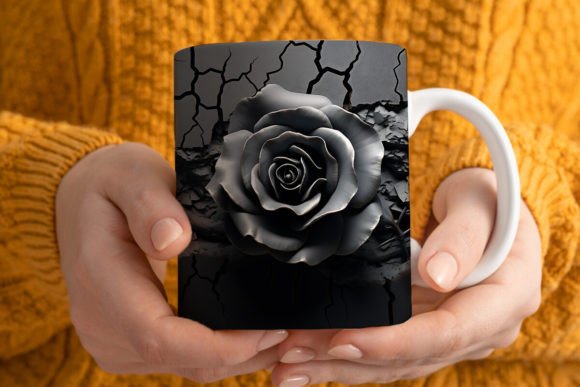
Mastering the Workflow of 3D Book Mug Wrap Sublimation for Professional Results
In the evolving landscape of custom merchandise and digital product creation, the integration of high-quality assets into a streamlined production workflow is essential for success. For creators, small business owners, and hobbyists looking to expand their product lines, 3D Book Mug Wrap Sublimation represents more than just a decorative element; it is a strategic component in a broader manufacturing and design process. This specific niche, combining the literary aesthetic of watercolor books with the technical demands of 3D sublimation on skinny mugs, requires a clear understanding of file preparation, hardware compatibility, and execution timing to ensure consistent, market-ready outcomes.
Understanding where this digital asset fits within your operational timeline is the first step toward efficiency. Whether you are a freelancer managing multiple client orders or an entrepreneur building a catalog of instant download products, the 3D Book Mug Wrap Sublimation Background serves as a foundational layer. It is not merely an image to be printed; it is a template that dictates the physical constraints of your final product. By treating the 20 oz Skinny Mug Sublimation Design as a critical path item in your project management, you can avoid common pitfalls such as misalignment, color shifting, and wasted substrate materials.
Integrating Digital Assets into Your Production Pipeline
The journey from a digital purchase to a physical product begins long before the printer heats up. When you acquire an Instant Digital Download PNG, specifically one designed for a straight mug wrap or a 3D seamless pattern, the immediate task is organization and verification. In a professional workflow, this stage is akin to quality control in a supply chain. You must verify that the file specifications match your hardware capabilities. The standard delivery often includes a high-resolution file, typically around 9.75 inches by 4.75 inches at 300 DPI. These dimensions are not arbitrary; they are calculated to fit the curvature and surface area of specific mug types, such as the popular 20 oz skinny mug or the standard 15 oz and 11 oz templates.
Before importing these files into your design software, consider how the Book watercolor aesthetic interacts with your brand identity. If you are creating a series of products for a bookstore, a library fundraiser, or a literary-themed café, the Book background and Book png elements need to be contextualized. This might involve adding text overlays, adjusting color profiles to match your specific printer's ink set, or combining the Book 3D seamless pattern with other graphic elements. The key here is adaptability. A robust workflow allows you to take a single 3D design asset and modify it efficiently for different use cases without compromising the integrity of the original artwork.
Furthermore, the timing of using these assets matters. In a pre-order scenario, having your 3D Mug wrap files ready and tested allows you to generate realistic mockups for marketing purposes before any physical inventory is committed. This reduces financial risk and validates market interest. Conversely, in a made-to-order environment, the speed at which you can process the sublimation Design from download to print directly impacts your turnaround time and customer satisfaction. Efficient file management systems, where assets are tagged by mug size (e.g., 15 Oz Mug Template vs. 11 Oz Mug Template) and theme, are crucial for maintaining this pace.
Technical Execution and Hardware Compatibility
Once the digital preparation is complete, the focus shifts to the physical implementation phase. This is where the theoretical meets the practical. Sublimation printing is a chemical process that requires precision. The mug wrap template you are using must align perfectly with the heating element of your press and the geometry of the mug itself. For 3d mug sublimation, particularly on curved surfaces like the skinny mug, the distortion inherent in wrapping a flat image around a cylinder must be accounted for. High-quality 3D background files often include built-in compensation for this, but understanding how your specific press applies heat and pressure is vital.
Compatibility extends beyond just the file format. It involves the synergy between your sublimation paper, ink, and the polymer coating of the mug. A Book skinny Mug design might feature intricate details in the watercolor texture or fine lines in the book spines. If your printer resolution or ink density is insufficient, these details may blur or lose definition during the transfer. Therefore, running test prints on scrap mugs is a non-negotiable step in a professional workflow. This testing phase helps you determine the optimal time and temperature settings for your specific equipment when using complex seamless pattern designs.
Additionally, the choice of mug substrate plays a significant role. Not all "skinny" mugs are created equal. Variations in diameter and height between manufacturers can affect how a 9.75 in x 4.75 in wrap fits. A design intended for a specific 20 oz profile might leave gaps or overlap awkwardly on a slightly different brand of mug. Savvy creators maintain a database of their suppliers' exact measurements and match their mug wrap sublimation files accordingly. This attention to detail prevents waste and ensures that the final 3d mug product looks seamless and professional.
Optimizing for Quality and Consistency
Consistency is the hallmark of a reliable business. When utilizing 3D Book Mug Wrap Sublimation assets repeatedly, establishing a standard operating procedure (SOP) ensures that every unit produced meets the same high standards. This involves documenting your entire process, from the color profile settings in your design software to the cooling method used after pressing. For instance, allowing the mug to cool naturally versus quenching it in water can affect the vibrancy of the Book watercolor hues. By standardizing these variables, you minimize variability and enhance the perceived value of your products.
Quality control should also extend to the digital files themselves. Even though you receive an Instant Digital Download, it is prudent to inspect the PNG File for any artifacts or transparency issues before scaling your production. If you are offering these designs as part of a service or selling the digital files themselves, providing clear instructions on usage is part of the value proposition. Educating your end-users or team members on how to handle the 3d Mug Wrap files fosters better outcomes and reduces support queries related to sizing or printing errors.
Long-term usability of these designs depends on how well they are integrated into your asset library. Categorizing files by theme (e.g., Book seamless pattern, Book wrap) and规格 (specifications) allows for quick retrieval when trends shift or seasonal demands arise. A well-organized digital repository turns a one-time purchase into a reusable resource that can fuel multiple campaigns over time. This strategic approach maximizes the return on investment for every digital asset acquired.
Strategic Applications Beyond the Mug
While the primary application of these files is for sublimation Designs on mugs, creative entrepreneurs often find ways to repurpose these assets across different mediums. The Book 3D seamless pattern can be adapted for other print-on-demand products like tote bags, journals, or even digital backgrounds for social media content, provided the licensing terms allow for such modifications. This cross-utilization expands the utility of the original 3D design and opens up new revenue streams without additional design costs.
Moreover, the aesthetic appeal of the Book background and Book png elements can be leveraged in marketing materials. Using high-resolution renders of the finished 3D mug in your promotional content can attract a niche audience of book lovers and literary enthusiasts. This targeted marketing approach is more effective than generic advertising, as it speaks directly to the interests of your potential customers. By aligning your product offerings with the passions of your audience, you create a stronger emotional connection and drive higher conversion rates.
In conclusion, successfully implementing 3D Book Mug Wrap Sublimation into your workflow requires a blend of technical proficiency, strategic planning, and attention to detail. It is not just about printing an image; it is about orchestrating a series of decisions and actions that result in a high-quality, desirable product. From the moment you download the ZIP file containing your PNG assets to the final packaging of the shipped mug, every step contributes to the overall success of your venture. By adopting a process-oriented mindset and focusing on continuous improvement in your execution, you can transform simple digital files into a thriving component of your creative or commercial enterprise.
Remember, the value of these Digital Download assets lies in their potential. Whether you are producing a single custom gift or scaling up to fulfill hundreds of orders, the principles of preparation, compatibility, and consistency remain constant. Embrace the intricacies of the mug wrap template and the nuances of the 3D background to unlock the full potential of your sublimation projects. With the right approach, the Book skinny Mug becomes more than a vessel for coffee; it becomes a canvas for storytelling and a testament to your craftsmanship.